

Funding an aviation startup before its first sales

How an aviation startup is funded before its first sales: where investment funds go and when new capital may be needed
Before selling its first aircraft, a company must pay for engineering work, build prototypes, conduct tests, and prepare for production. Throughout this period, costs are already being incurred, while there may still be no recurring revenue from the core product.
For an investor, the key questions are what the company will achieve with the capital raised and whether the funds will last until the next significant milestone. This approach helps evaluate an aviation startup in concrete terms: through its budget, verified achievements, and need for further funding.
How developing a new aircraft differs from buying an existing one
Loans, leasing, and special-purpose asset-owning companies are widely used in aviation finance. However, many of these instruments are associated with acquiring and operating existing aircraft. Such transactions are covered, for example, in overviews by ACC Aviation and CSC.
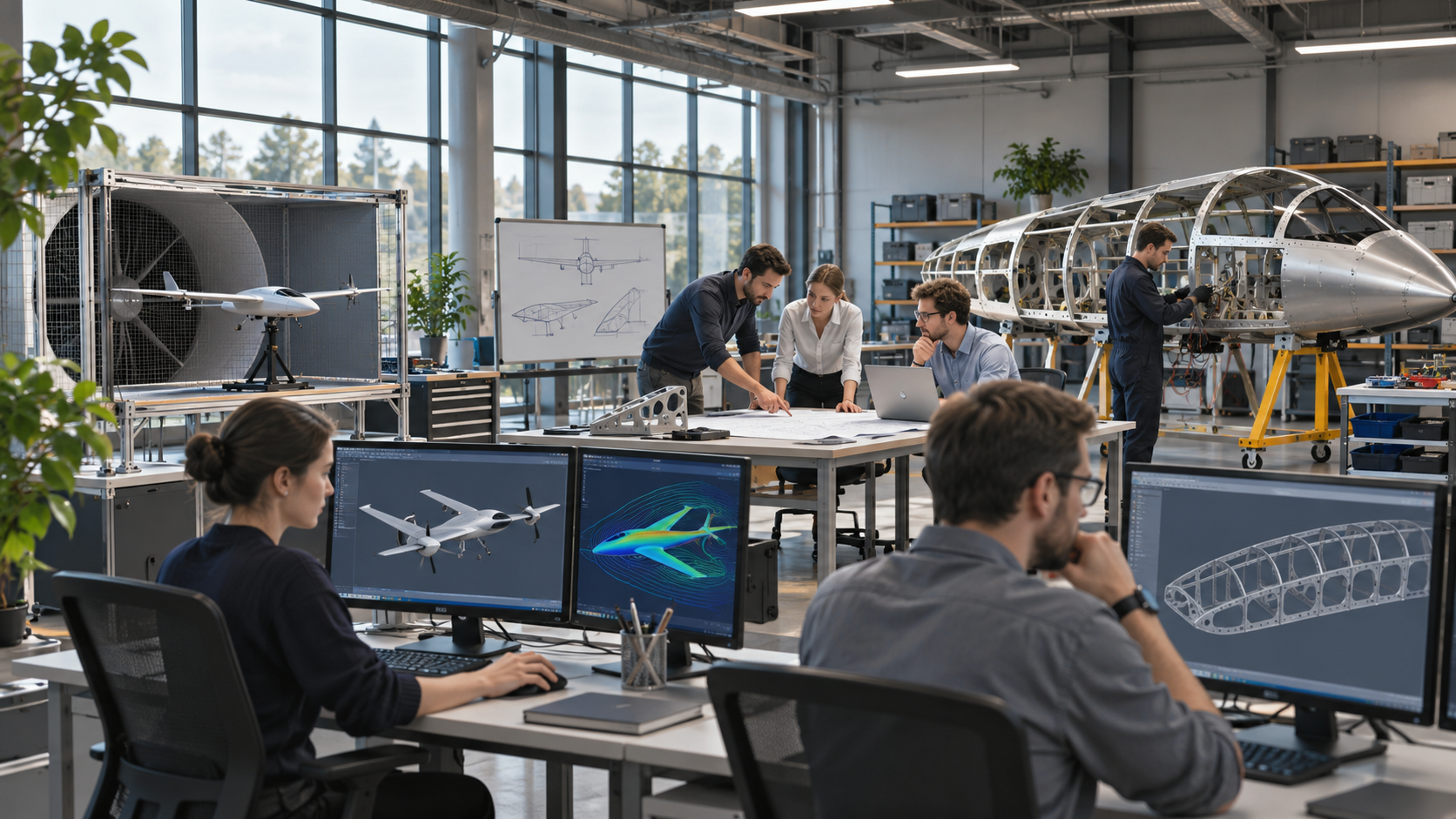
A developer of a new aircraft faces a different task. It must demonstrate that the design is viable, meets the applicable requirements, and can become a commercial product.
An investor therefore needs to distinguish between two situations:
- financing an asset that can already be operated;
- financing development whose commercial outcome has yet to be achieved.
Having a physical prototype is important, but it does not in itself make an early-stage project comparable to a business that leases production aircraft.
Where investment goes before the first sales
Costs depend on the type of aircraft and the project stage. For analysis, it is useful to group them into several areas.
| Area | What the company pays for | What an investor can verify |
| Engineering development | Calculations, design, software, and documentation | Which tasks have been completed and which solutions are still being tested |
| Prototypes | Materials, components, fabrication, and assembly | What has been built and which tests it is intended for |
| Testing | Test rigs, measurements, and ground and flight test programs | Which characteristics have been validated and under what conditions |
| Certification preparation | Documents, analyses, and testing activities | Which pathway has been agreed upon and which stages remain |
| Production preparation | Tooling, facilities, equipment, and a quality system | What is needed to manufacture the product consistently |
| Market engagement | Research into customer needs, demonstrations, and proposal development | Whether buyers have specific requirements |
Not every expenditure immediately produces a visible result. A test may show that the design needs to be modified. This is a normal part of development, but it affects the schedule and budget.
A useful report therefore explains the connection: what task was addressed, what was learned, and how the subsequent plan changed.
Where the company can get funding
An aviation startup may combine several funding sources: founders' funds, private investment, strategic capital, support programs, and payments for research work or individual services.
The availability of each source depends on the country, the company's structure, the development stage, and the terms of the specific transaction.
An investor needs to understand the characteristics of the capital raised:
- whether it entails repayment and interest;
- whether it involves granting an equity stake;
- whether it can be spent on any project task;
- whether disbursement depends on meeting certain conditions;
- whether it creates additional obligations to customers.
For example, an advance under a contract cannot automatically be treated as unrestricted cash: it may carry an obligation to perform work, deliver a product, or return the funds under certain circumstances.
What cash burn and runway mean
Cash burn shows how much cash a company spends over a period. When analyzing it, one should clarify whether the figure covers all cash outflows or the net outflow after inflows.
Runway is an estimate of how long the available cash will last under the assumed spending scenario.
A simplified calculation:
Runway in months = available cash ÷ average monthly net cash outflow.
Suppose a company has 12 million monetary units and its monthly net cash outflow is 1 million. If conditions remain unchanged, this provides 12 months of operation.
This is a hypothetical example, not AERONOVA data. In a real project, spending may be uneven: equipment purchases or prototype fabrication can entail large one-off payments. A time-phased budget is therefore needed, not just an average.
When new capital may be needed
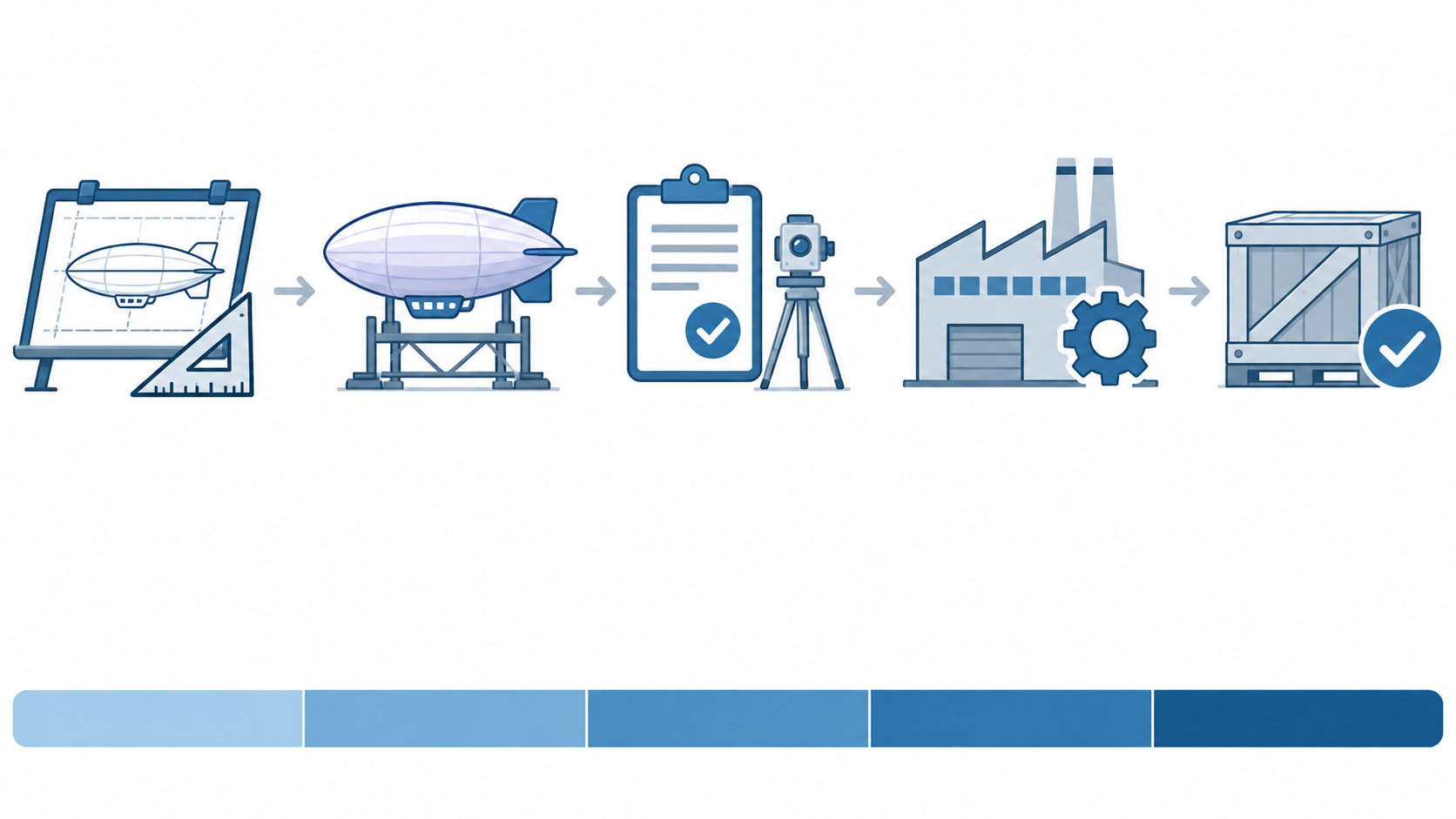
Additional funding may be planned in advance. For example, the initial pool of funds may be allocated to a prototype, and the next to an expanded testing program and production preparation.
A different situation arises when the actual funding requirement exceeds the initial budget. This may be caused by design modifications, changing requirements, component delays, or a slower market launch.
New fundraising does not in itself prove either success or failure. It needs to be assessed against the results of the previous stage.
An investor should seek answers to four questions:
- What was accomplished with the funds raised previously?
- Why is additional capital needed?
- What verifiable result should be achieved?
- What will happen if the required amount is raised later or only in part?
Why the first revenue does not yet mean profit for investors
A one-off paid engagement, the sale of a product, and a sustainable profitable business are different stages.
After the first cash receipts, the company may need money to produce subsequent aircraft, provide warranty service, develop the team, and fulfill contracts. Revenue therefore does not automatically mean that dividend payments will begin.
A prospective participant should review their contractual rights, the conditions for earning income, and exit restrictions. For an investor from India, Vietnam, or an African country, eligibility to participate and applicable local requirements also warrant separate consideration.
How to apply this approach to the New Generation Airships project
When examining the project through SOLARGROUP, it is useful to compare the investment terms with the technical reports: what has already been created, which tests have been completed, and what needs to be funded next.
Before participating in the project, review the current investment documents: what rights the investor receives, what potential income depends on, and what exit terms apply. These questions should be clarified before making a decision.
If you are interested in participating in the development of a new aviation technology, start by reviewing the documents, the project's current stage, and its results. You can access the materials and your personal account on the SOLARGROUP website.
Frequently asked questions
Can an aviation startup operate without sales?
Yes. During development, operations may be funded with capital the company has raised. The budget should be tied to specific tasks and a realistic plan.
Does a new round mean that the previous funding was insufficient?
Not necessarily. Development may be funded in stages from the outset. The reason for raising new funds should be checked against the documents and reports.
Which matters more: how much funding has been raised or what has already been achieved?
These indicators should be considered together. The amount raised shows the resources available, while the results show how effectively those resources are being turned into a product.