

El regreso de los dirigibles: ecología, logística y el papel de la crowdinversión en el lanzamiento de proyectos de ingeniería complejos

Los dirigibles aún no se han convertido en un medio de transporte masivo, pero el interés por ellos resurge en países avanzados como Estados Unidos, Rusia, Alemania, Francia, China, Reino Unido e Israel.
Los «Dirigibles de nueva generación» se planean utilizar para diversos fines, entre ellos:
- campañas publicitarias
- vuelos turísticos panorámicos
- investigación científica
- operaciones especiales
- transporte de pasajeros y carga
¿Existen dirigibles en la actualidad?
Los dirigibles modernos existen en forma de desarrollos y modelos de prueba.
Se llevan a cabo pruebas del dirigible Airlander 10, creado por la empresa británica Hybrid Air Vehicles. El primer prototipo se estrelló en 2016, pero los trabajos de perfeccionamiento continúan. Se prevé que el Airlander 10 se utilice para el transporte de pasajeros y carga.
También se realizan ensayos de vuelo del dirigible experimental Pathfinder 1, desarrollado por la empresa LTA Research. Esta aeronave está destinada a la verificación de nuevas tecnologías y materiales en la construcción de dirigibles.
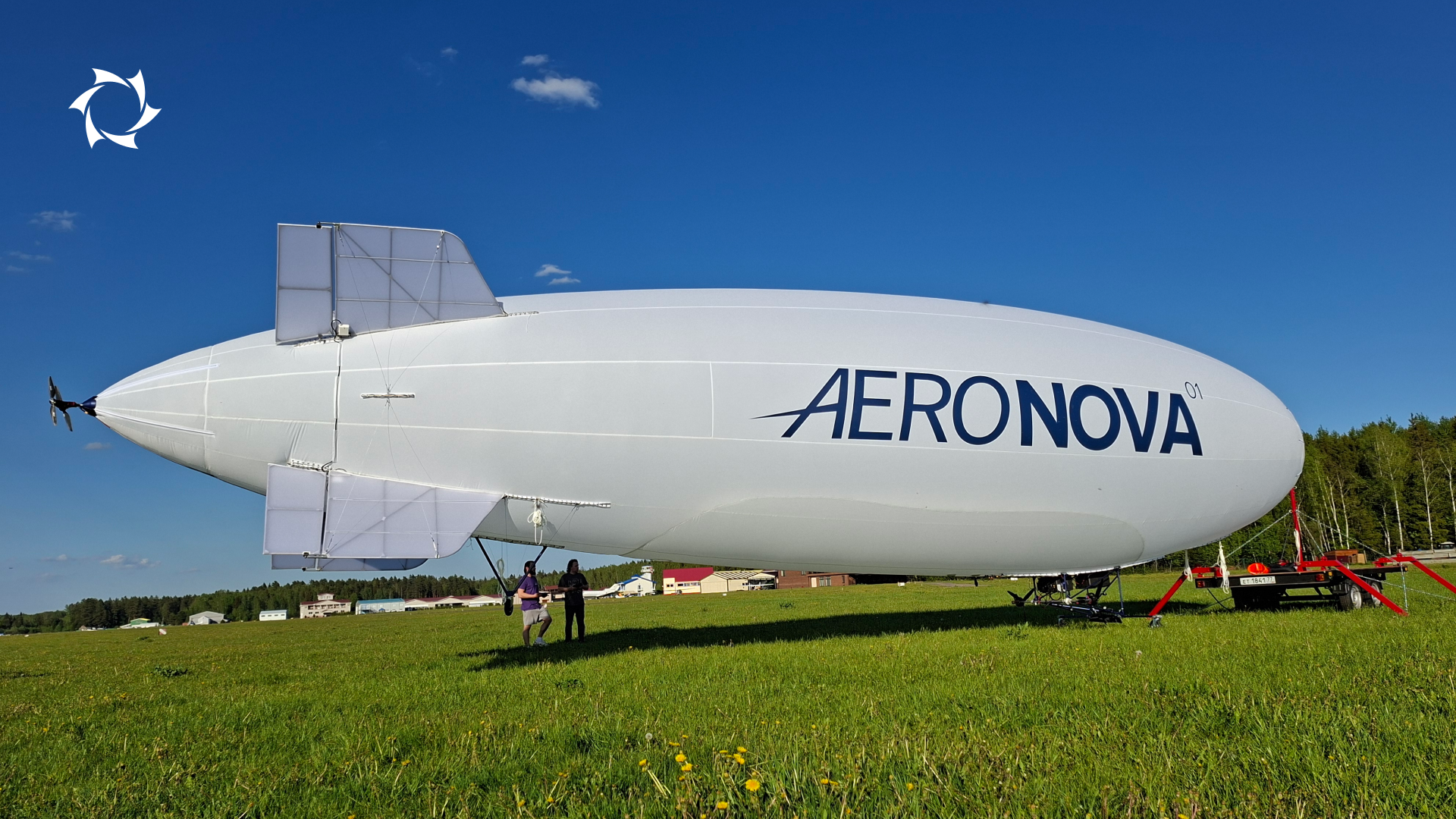
En Rusia, los dirigibles son desarrollados por la empresa AERONOVA en colaboración con la Universidad Técnica Estatal Bauman de Moscú (MGTU) y el Instituto de Aviación de Moscú. En el marco del proyecto «Dirigibles de nueva generación» AERONOVA planea producir hasta 4 modelos de dirigibles, incluyendo tripulados y no tripulados, de pasajeros y de carga.
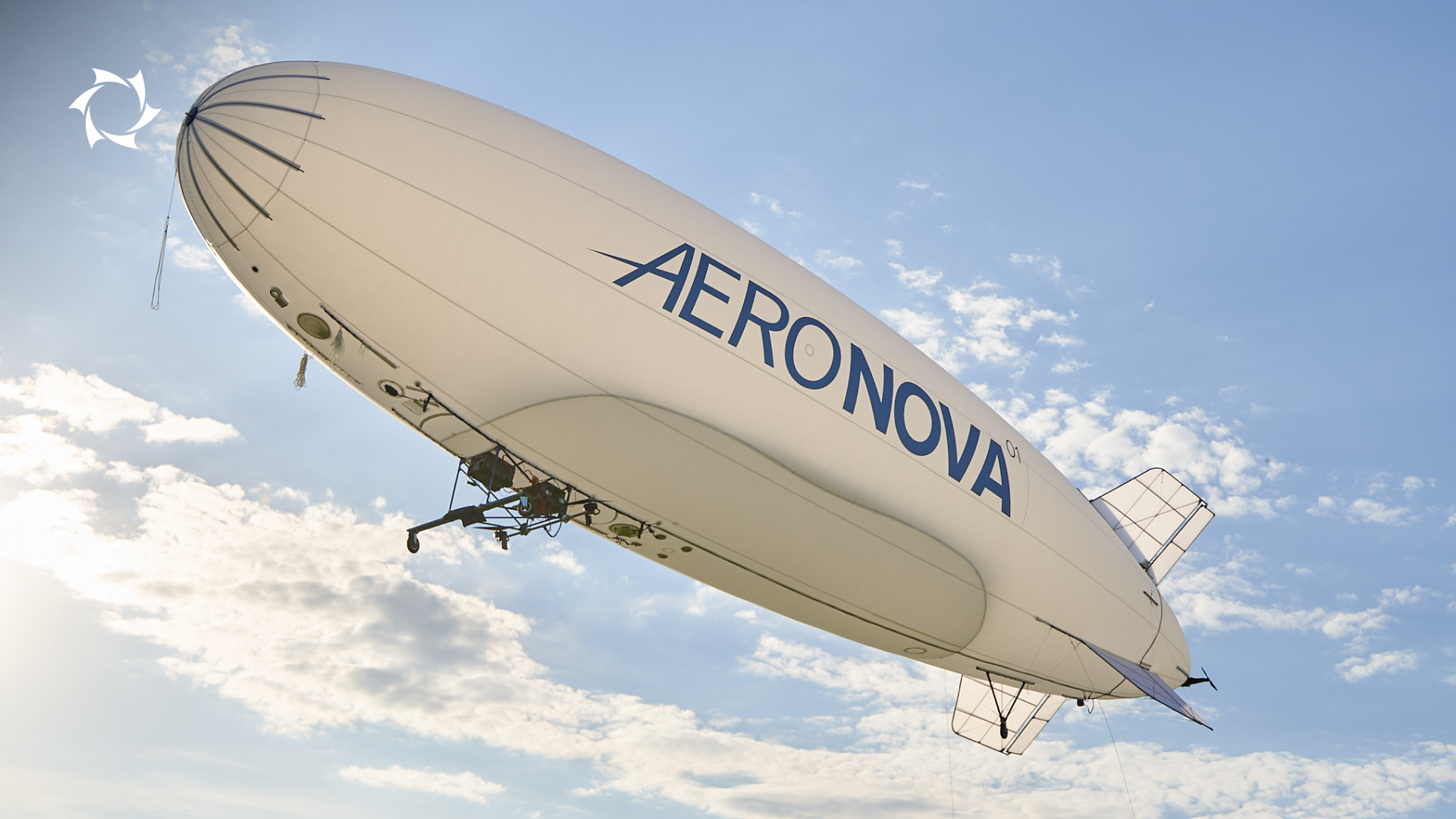
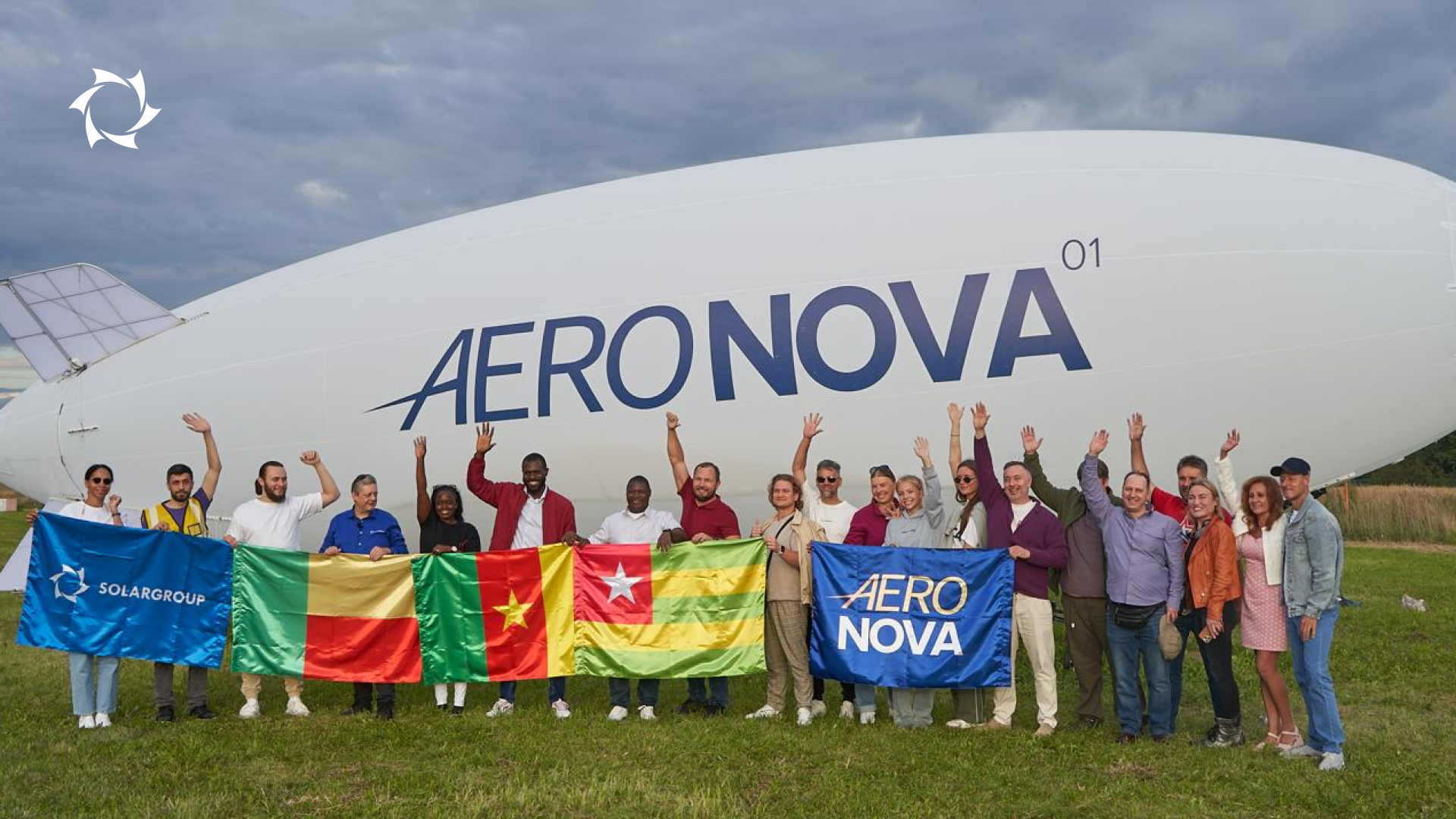
En 2025, AERONOVA realizó con éxito las pruebas del primer dirigible no tripulado NOVA-01 y prepara las pruebas del dirigible NOVA-2.
El único dirigible en uso comercial sigue siendo el Zeppelin NT, de la empresa alemana Zeppelin Luftschifftechnik GmbH. Sin embargo, en los próximos 3 a 5 años la situación podría cambiar, y los dirigibles se convertirían en un nuevo tipo de transporte de pasajeros y carga.
¿Existen actualmente dirigibles en funcionamiento?
En Alemania, en Friedrichshafen, es posible volar en el dirigible Zeppelin NT. Friedrichshafen es el lugar donde se operan los dirigibles Zeppelin NT, y aquí se encuentra también un museo dedicado a la historia de la construcción de dirigibles. Los vuelos en el dirigible Zeppelin NT permiten disfrutar de las vistas del lago de Constanza y sus alrededores a vista de pájaro.
En Rusia existe un dirigible en funcionamiento, el NOVA-01, la primera aeronave no tripulada del proyecto «Dirigibles de nueva generación». Actualmente, el NOVA-01 ha superado con éxito sus primeras pruebas, durante las cuales el equipo de AERONOVA obtuvo datos para mejorar los futuros modelos y optimizar las tecnologías empleadas en la producción. Asimismo, la empresa AERONOVA ha presentado la aeronave híbrida AEROLЁT-01, que realizó recientemente su primer vuelo experimental. En un futuro próximo se preparan las pruebas del dirigible NOVA-2.
Dirigibles de pasajeros hoy: ¿mito o futuro?
Con el avance de las tecnologías y el creciente interés por medios de transporte ecológicos y cómodos, los dirigibles de pasajeros podrían ocupar un lugar en la infraestructura del transporte.
- El helio seguro, los sistemas modernos de seguridad y navegación minimizan el riesgo de accidentes, catástrofes y situaciones de emergencia durante el vuelo.
- La resistencia a las condiciones meteorológicas y la turbulencia hará que los vuelos sean cómodos y tranquilos.
¿Dónde pueden encontrar aplicación los dirigibles de pasajeros?
- Vuelos turísticos sobre lugares de interés, viajes tipo crucero con posibilidad de paradas en destinos pintorescos.
- Vuelos entre ciudades, países y continentes.
- Traslado de trabajadores a obras remotas, campamentos de investigación o plataformas petroleras.
- Transporte de médicos, ingenieros u otros especialistas a regiones con infraestructura inexistente o deficiente.
Los proyectos de dirigibles de pasajeros se encuentran actualmente en fase de desarrollo. Es posible que, en un futuro cercano, los viajes en dirigible se conviertan en una nueva realidad del siglo XXI.
¿Por qué cesó el uso masivo de los dirigibles?
Durante mucho tiempo, los dirigibles fueron considerados la cúspide del progreso tecnológico y el medio de transporte más cómodo. Sin embargo, con el tiempo prácticamente desaparecieron. ¿Por qué ocurrió esto?
La razón principal que se señala es una serie de accidentes, de los cuales el más conocido fue la tragedia del Hindenburg en 1937. El suceso conmocionó al mundo, pero cabe destacar que 61 de las 97 personas a bordo sobrevivieron. Esto demuestra un alto nivel de seguridad en comparación con los accidentes de aviación. No obstante, se abandonaron los dirigibles e incluso se prohibió su uso.
Existe una serie de razones que pudieron influir en la finalización de los proyectos de construcción de dirigibles en el siglo XX. Las principales son:
- Competencia con la aviación: los dirigibles fueron desplazados por aviones y helicópteros, que resultaban más rentables y rápidamente ocuparon posiciones de liderazgo en la logística y el transporte de pasajeros.
- Imperfección tecnológica: los dirigibles se adelantaron a su tiempo. En el siglo XX no se disponía de materiales, combustibles seguros (helio en lugar del inflamable hidrógeno) ni sistemas de navegación precisos que pudieran garantizar una alta fiabilidad de la estructura y la seguridad del vuelo.
En el siglo XXI la situación ha cambiado, y se puede afirmar con seguridad que las posibilidades del siglo actual favorecen el comienzo de una nueva era de los dirigibles.
Gracias a los materiales modernos, resistentes y ligeros, los sistemas de control basados en inteligencia artificial y el uso de helio como gas de sustentación, los dirigibles pueden convertirse en un nuevo tipo de transporte seguro, ecológico y eficiente. No sustituirán a los aviones, sino que formarán un nuevo sector que complementará el sistema de transporte existente.
El resurgimiento del interés por los dirigibles en el siglo XXI
Capacidades de los dirigibles modernos
Progreso tecnológico. Los materiales eficientes, los motores y los sistemas de control modernos permiten a los dirigibles alcanzar altas velocidades y transportar grandes cargas.
Viabilidad económica. En determinados ámbitos, como la entrega de carga a zonas de difícil acceso o la logística en el Ártico, los dirigibles pueden ser más rentables que otros medios de transporte.
Versatilidad. Los dirigibles pueden utilizarse en diversos sectores, como la logística, el turismo, la investigación científica e incluso como plataformas publicitarias aéreas.
Capacidad de aterrizaje en lugares de difícil acceso. Los dirigibles no requieren pistas de aterrizaje y pueden posarse en lugares inaccesibles para otros medios de transporte.
Ventajas frente al transporte existente
Rentabilidad económica. Los dirigibles tienen bajos costes operativos en comparación con los aviones y helicópteros, incluyendo combustible y mantenimiento técnico.
Velocidad y maniobrabilidad. Los dirigibles pueden superar a trenes y automóviles en determinadas condiciones, desplazándose con facilidad entre regiones de difícil acceso donde el transporte terrestre puede encontrar obstáculos, como zonas montañosas o ríos.
Sostenibilidad ecológica. Los dirigibles son una opción más respetuosa con el medio ambiente en comparación con otros medios de transporte. Pueden funcionar con fuentes de energía alternativas, como paneles solares o motores eléctricos, minimizando las emisiones contaminantes a la atmósfera.
Financiación de los proyectos
El regreso de los dirigibles se hace posible gracias a nuevas formas de captación de financiación, como la crowdinversión. Este método permite atraer fondos de un gran número de inversores interesados en el desarrollo de proyectos innovadores.
Personas de todo el mundo tienen la oportunidad de invertir su dinero en startups prometedoras. De este modo, pueden convertirse en copropietarios del negocio y recibir una participación en los beneficios futuros de la empresa.
Históricamente, es sabido que los dirigibles ya se construyeron gracias a recaudaciones masivas de fondos. Por ejemplo, el conde Ferdinand von Zeppelin utilizó activamente la financiación colectiva para la construcción de sus célebres aeronaves. Hoy esta práctica regresa, permitiendo sumarse a un nuevo sector de negocio e invertir fondos personales en la creación de dirigibles modernos.
Así, el exitoso desarrollo de la construcción de dirigibles en el siglo XXI se basa en tres factores clave:
1. Necesidades del mercado: la existencia de demandas reales de las capacidades únicas de los dirigibles.
2. Capacidades técnicas: los avances de la ciencia y la tecnología que permiten crear aeronaves eficientes y fiables.
3. Apoyo e interés de personas de todo el mundo: la participación de personas dispuestas a invertir sus propios fondos en la realización de proyectos prometedores.
Estos tres elementos garantizan el desarrollo estable de la industria de la construcción de dirigibles y la convierten en un sector atractivo para futuros avances tecnológicos.
Inversiones en dirigibles
Las inversiones en dirigibles abren perspectivas a gran escala para el crecimiento del capital a largo plazo y la participación en tecnologías disruptivas. Una de las principales formas de adquirir participaciones en empresas dedicadas al desarrollo y la producción de dirigibles es la crowdinversión.
Beneficios de la crowdinversión para los inversores:
- Posibilidad de adquirir participaciones reales en proyectos en etapa temprana de desarrollo, lo que proporciona un significativo aumento del potencial de ingresos;
- Bajo umbral de entrada: los inversores pueden comenzar con pequeñas cantidades, adquiriendo paquetes de participaciones a plazos;
- Potencial de rápido retorno de la inversión, considerando la creciente popularidad de los dirigibles y su demanda en diversos sectores.
Imagine una situación en la que usted pudiera haber adquirido participaciones de Tesla o de aerolíneas exitosas en la etapa de su creación. Este tipo de oportunidades se abren ahora en el ámbito de la construcción de dirigibles, gracias a la crowdinversión.
Además del atractivo financiero de los proyectos de creación de dirigibles, los inversores obtienen ventajas adicionales:
- Participación en proyectos de importancia ecológica y apoyo a la tendencia hacia el desarrollo sostenible y la reducción de la huella de carbono;
- Impacto positivo en las generaciones futuras y participación en la creación de medios de transporte seguros y energéticamente eficientes;
- Rol de pionero en la formación de un nuevo sector.
Proyecto internacional «Dirigibles de nueva generación»
El proyecto de crowdinversión «Dirigibles de nueva generación» ofrece condiciones ventajosas para inversores de todo el mundo. Los inversores adquieren participaciones en la empresa y recibirán dividendos de los resultados futuros.
Los resultados financieros de la empresa se generan a través de la comercialización, por ejemplo, la ejecución de contratos y la venta de dirigibles. Ya en 2025, la empresa AERONOVA mantiene activamente negociaciones con clientes potenciales y se prepara para cerrar las primeras operaciones comerciales.
Es posible convertirse en inversor y obtener participaciones en el proyecto desde tan solo 50 $.
El proyecto fue lanzado en agosto de 2024; durante este tiempo:
- se realizaron con éxito los ensayos de vuelo del primer dirigible no tripulado NOVA-01 y una serie de lanzamientos de aerostatos estratosféricos;
- se llevan a cabo trabajos activos sobre las aeronaves NOVA-2 y AEROLЁT-01;
- se ha establecido colaboración con destacadas organizaciones rusas de investigación científica y diseño, como la Universidad Técnica Estatal Bauman de Moscú (MGTU) y el Instituto de Aviación de Moscú;
- el proyecto ha despertado el interés de medios de comunicación internacionales, incluidos canales federales;
- se están negociando los primeros pedidos comerciales;
- en noviembre de 2025, la empresa AERONOVA presentó sus desarrollos en la mayor exposición internacional Dubai Airshow 2025.
El proyecto «Dirigibles de nueva generación» es impulsado por las empresas AERONOVA y SOLARGROUP.
AERONOVA se especializa en el desarrollo y la construcción de dirigibles demandados por el mercado, así como en la creación de la infraestructura para su operación, incluyendo la aerociudad.
SOLARGROUP es una plataforma internacional de TI, gracias a la cual personas de diferentes países pueden unirse a los proyectos y formar parte del negocio en el sector tecnológico.
Más de 500 000 usuarios de todo el mundo están registrados en la plataforma SOLARGROUP.
Más de 11 000 inversores de diferentes países han apoyado el proyecto «Dirigibles de nueva generación».
Más de 11 millones de $ ya se han captado para el proyecto.
El proyecto «Dirigibles de nueva generación» se divide en 20 etapas de financiación.
- Preinicio: agosto de 2024.
- Primera etapa: marzo de 2025.
- Segunda etapa: julio de 2025.
- La transición a la tercera etapa se completó el 27 de diciembre de 2025.
Con cada cambio de etapa se reducen los riesgos, por lo que el valor de las participaciones aumenta. En las etapas iniciales, el proyecto ofrece las condiciones más ventajosas para todos los participantes.
Conozca más sobre las oportunidades para inversores en el proyecto «Dirigibles de nueva generación» y obtenga un bono de bienvenida de 25 $ para su primera inversión en el proyecto al registrarse en su cuenta personal.